
Apogee
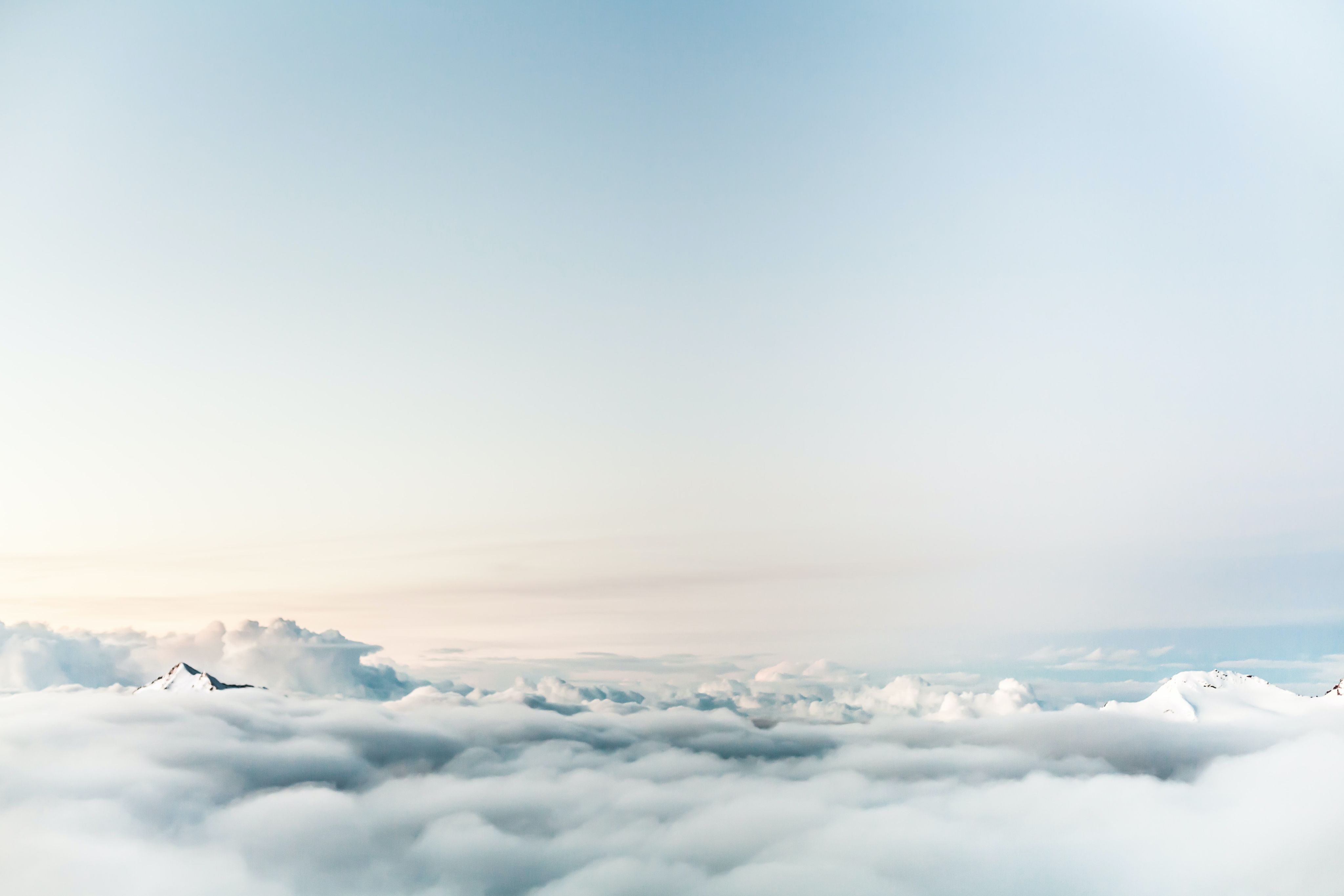

When I was small, I wanted to be an astronaut. Not for the science, not for the stars. For the silence. For the distance between the planet and the body that leaves it. I used to lie on my back in the grass behind our house, counting the faint trails of planes, the sky pulsing with crisp air, and imagine the noise thinning out, the air turning strange and clean. I thought there must be a place above weather, above sound, where everything finally stopped moving.
At night, I read library books about space: about orbits, about rotation and velocity, about how a human learns to live without gravity. I studied the diagrams of spacecraft interiors and tried to picture myself inside them, floating, my hair suspended, my hands weightless. It wasn’t exploration I wanted. It was escape.
Now, decades later, I keep finding myself there again in my dreams, adrift above a dim blue planet, the station humming around me like a mechanical heart. It’s so quiet that the sound of my breathing feels intrusive. I can feel the vibration of air filters, the metallic tang of recycled oxygen. Sometimes I think if I hold still enough, I’ll dissolve into the machinery.
Every orbit is ninety minutes. Ninety minutes to circle everything I’ve ever tried not to see. From this distance, the Earth looks serene, oceans glazed like enamel, continents smooth as skin. But I know what lives under that surface: the fractures, the bruises, the heat, the noise of things breaking apart. It’s how I remember myself too. Beautiful only when seen from far away.
I thought space would free me from gravity. Instead, it taught me what gravity is: the pull of what you cannot leave. Even up here, I feel it—the small, persistent tug downward, as if the past were a planet and I were still bound to it by an invisible thread. The body knows before the mind does. It knows how to return.
I eat from silver packets, drink water caught from my own breath. Each action rehearsed. Each moment accounted for. I think of the child I was, breath fogging a toy rocket’s plastic window. I think of how they would have loved this, and how wrong they was about what silence feels like.
Sometimes, when I close my eyes, I can almost see the house below, its roof angled like a question, its rooms small and dull and full of noise. The image flickers, then dissolves, replaced by the endless blue. There is no sound here but the low hum of survival.
I keep telling myself I’ve left, that I’m somewhere new, that I’ve broken orbit. But every ninety minutes, the same view returns—the same curve of ocean, the same ghost of land. The same memory, coming back around.
And maybe that’s all escape ever is: not departure, but repetition. The body circling what it cannot forget. The astronaut learning that distance is just another form of gravity.
I drift. I look down. I call it peace because I don’t have another word for silence.



Published by SurvivorSpace, a program of Zero Abuse Project
 Built with Shorthand